Activated Charcoal
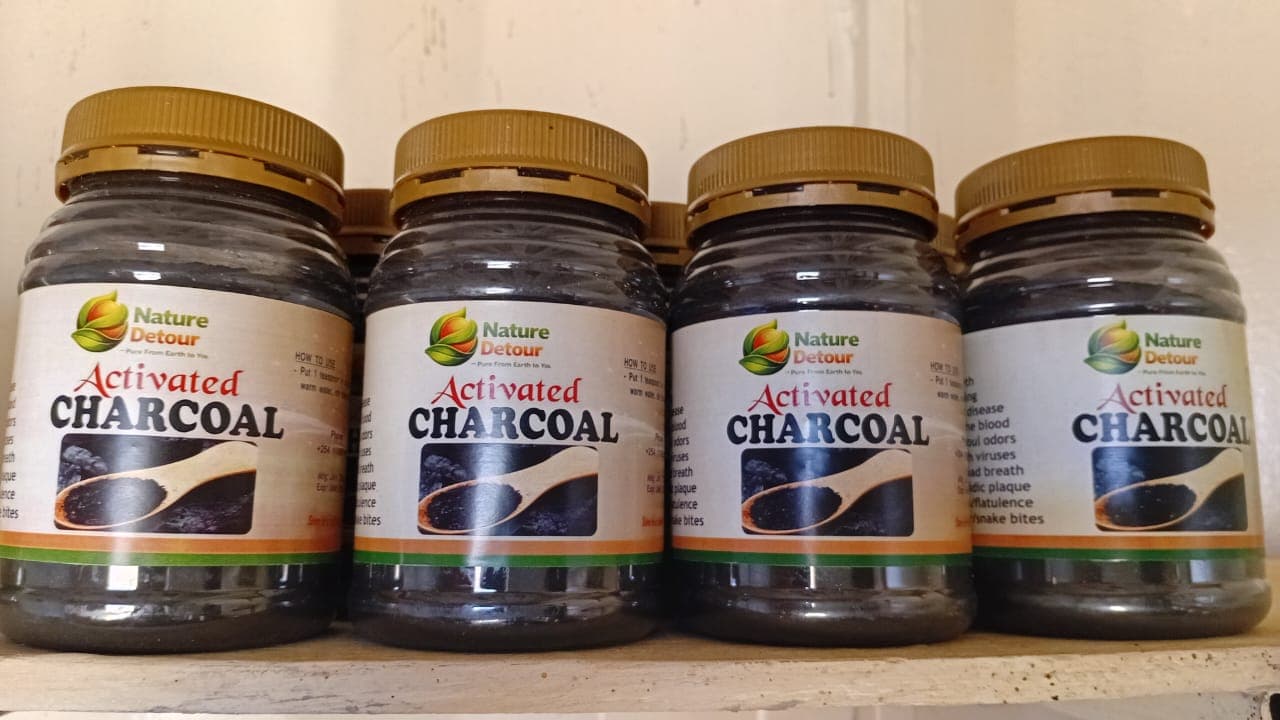
What Activated Charcoal Is Used For 1. Detoxification (binding toxins) Activated charcoal binds certain toxins, chemicals, and impurities in the digestive tract so they can be eliminated from the body through stool. 2. Digestive support It may help relieve: Gas and bloating Indigestion caused by fermentation Food-related discomfort 3. Emergency medicine (clinical use) In hospitals, it is sometimes used under medical supervision for specific types of poisoning or overdose (not all poisons respond to charcoal). 4. Oral and dental care Used in toothpaste or powders to help remove stains Supports oral hygiene by binding odor-causing compounds 5. Skin and external use Used in face masks and soaps to draw out impurities Applied for insect bites, mild rashes, and skin irritation 6. Water and air purification Used in water filters to remove chemicals and odors Used in air filters to trap pollutants How Activated Charcoal Is Used Internal use (with caution) Taken as capsules, powder mixed with water, or tablets Usually taken away from food and medications External use Mixed with water or oil to make a paste for skin application Used in cosmetic products (soaps, masks) Important Safety Notes Do not take close to medications or supplements Activated charcoal can bind medicines and reduce their effectiveness. Not for daily long-term use unless advised by a health professional Not effective for all toxins (e.g., alcohol, heavy metals, corrosives) Can cause constipation if overused In emergency poisoning cases, medical care is essential Summary in Simple Terms Activated charcoal is a powerful natural binder used to trap toxins, gases, and impurities. It is valuable in digestion support, detoxification, skin care, and medical settings—but it must be used wisely and sparingly.